
When a clogged drain is an emergency
Call right away if a toilet, tub or floor drain is backing up, if more than one fixture is slow at once, or if water is rising toward carpet or drywall. One slow bathroom sink can usually wait for a same-day visit when the schedule allows, but a full main line cannot.
Stop adding water
Pause the dishwasher and washer, skip showers and hold off on flushing. Every gallon you add has nowhere to go if the main line is blocked.
Check the lowest drain
A basement floor drain or tub that gurgles when you flush upstairs points to the main line. Tell the dispatcher what you see, because it decides which machine goes on the truck.
Skip the chemical opener
Caustic openers sit in a standing clog, soften older pipe joints and can splash on whoever opens the trap next. Plain hot tap water is as far as a homeowner should go.
Protect the room
Move rugs and stored boxes off the floor near the drain and keep anything plugged in away from wet areas. Do not wade through standing water near outlets.
What your symptoms say about the clog
The pattern of slow fixtures tells a plumber where to start before any tool touches the pipe.
One sink or tub is slow
The clog is almost always in that fixture's own trap or branch line. Hair, soap scum and food waste build up within a few feet of the drain, so a cable or a trap cleaning usually clears it.
Several fixtures gurgle
A shared branch or the main line is restricted. Air pushed ahead of the water makes toilets burp and tub drains gurgle when the washer or a sink drains upstairs.
Water backs up at the lowest drain
A basement floor drain, a laundry standpipe or a ground floor tub filling with gray water means the main line is blocked downstream. Stop all water use and call.
A sewer smell that comes and goes
Smell with no backup can mean a dry trap, but a smell that returns along with slow drains points to buildup holding waste in the pipe. A camera shows which.
How we clear a drain
Every visit follows the same order, so the work stays proportionate to the problem.
Locate the stoppage
We run water, test fixtures one at a time and check the cleanouts to decide whether the clog sits in a fixture, a branch or the main line.
Cut or flush it clear
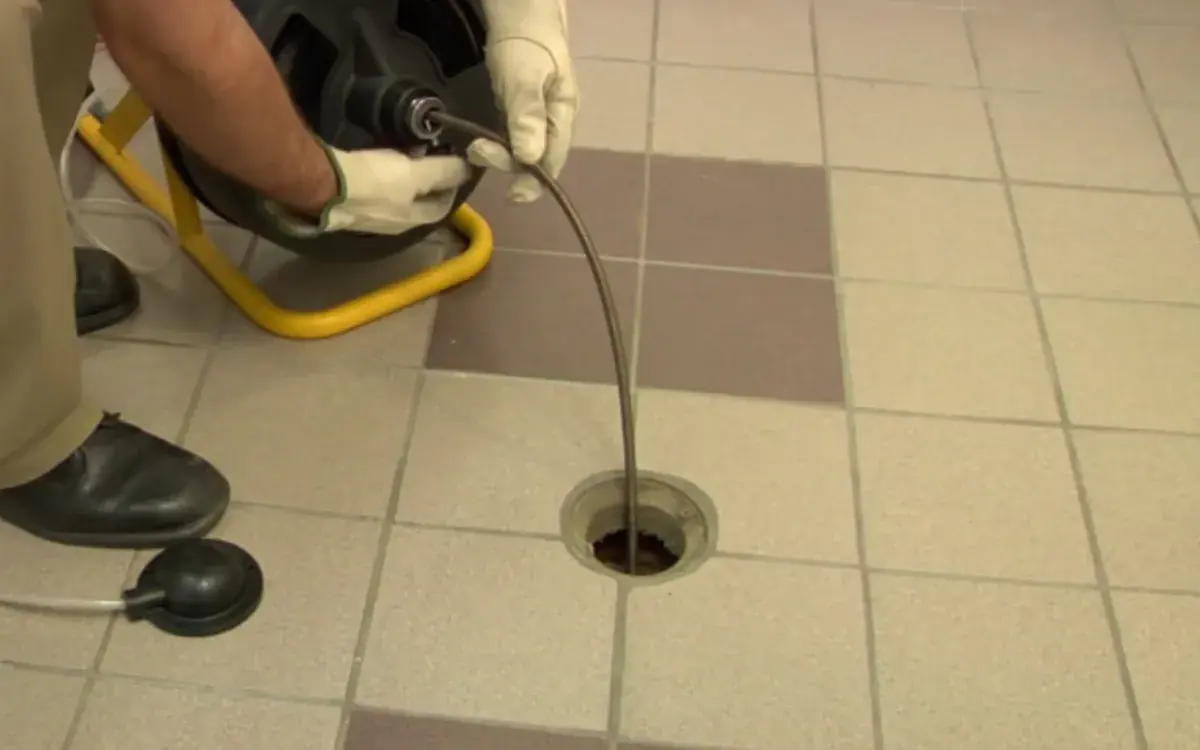
A drum machine or hand auger with the right cutting head opens hair, paper and light roots. Grease and heavy scale call for a jetter, covered on our hydro jetting page.
Look inside the pipe
When a clog returns or the pipe is old, a camera shows whether the cause is a sag, a broken joint or roots. Our sewer camera inspection page explains what the picture shows.
Test and explain
We run water at every affected fixture, confirm the flow and tell you what caused the blockage so it does not come back.
Cable, jetter or camera: which method fits
No single tool is right for every clog. Matching the method to the blockage keeps the pipe intact and the bill honest.
| Method | Best for | Limits |
|---|---|---|
| Hand auger | One sink, tub or shower clog near the drain | Short reach, does not scrub the pipe wall |
| Drum cable machine | Toilet and branch line clogs, paper, roots in small lines | Can leave a grease film on the pipe wall |
| Hydro jetter | Grease, scale and sludge in kitchen and main lines | Needs a cleanout or other access point |
| Drain camera | Repeat clogs and slow drains with no clear cause | Shows the problem but does not clear it |
Drain backing up right now?
A dispatcher is on the line 24/7 and will tell you what to do while a plumber is on the way.
What affects the price of drain cleaning
A clear price comes before work starts. These five things move it more than anything else.
Want your real number? Call (385) 488-1892 and describe the drain.
Why Springville drains clog
Most Springville clogs come from what goes down the drain, not from the city system. Cooking grease cools and coats kitchen lines, wipes sold as flushable do not break up the way paper does, and hair builds in showers on every street from Main Street to the Hobble Creek side of town.
Finished basements add a local wrinkle. Springville's own basement permit guide lists keeping 18 inches of clearance at plumbing cleanouts after drywall goes up. A cleanout boxed in behind a wall turns a quick cable job into an access problem, so check where yours is before you finish a basement and ask the Building Division at 801-489-2704 what applies to your project.
Code and permit note
Code note: drain lines are laid out under the International Plumbing Code (IPC) rules for traps, slope and venting, which is why a vent or slope fault can mimic a clog.
Common questions
Yes. The line is staffed around the clock, including nights, weekends and holidays. Call, say which drains are affected and follow the steps above while a plumber is dispatched. Same-day appointments are available when the schedule allows, and the price is explained before work starts.
We recommend against it. Chemical openers can sit in a fully blocked pipe, heat up and damage older joints, and they leave a hazard for the person who opens the trap afterward. If you already used one, tell the plumber before work begins.
A repeat clog usually means something in the pipe is holding waste, such as a sag, a rough joint, roots or grease that was smeared instead of removed. A camera look finds the reason and lets us recommend the right fix.
If a tub, a floor drain or a toilet on the lowest level backs up when you use water upstairs, the main line is the likely culprit. One slow sink is almost always a local clog.
Yes. We dispatch to Mapleton, Spanish Fork, Salem and Provo, and the same methods apply in each town.